December 26, 2025
A glass door replacement is more than a simple upgrade—it is an investment in functionality, aesthetics, comfort, and long-term value. Whether you are replacing a worn-out patio door, updating a shower enclosure, or modernizing an entryway, the right decisions can dramatically improve both appearance and performance. Glass doors influence how light flows through a space, how secure an area feels, and how energy-efficient a property remains year-round.
Homeowners and business owners alike often underestimate how many variables are involved in a successful glass door replacement. From selecting the right materials to understanding installation requirements and budgeting concerns, each step plays a role in the final outcome. Rushing the process or overlooking key considerations can lead to costly repairs, poor performance, or dissatisfaction with the finished result.
This guide breaks down the most important factors to evaluate before moving forward with a glass door replacement. By understanding these considerations ahead of time, you can make confident decisions that align with your space, budget, and long-term goals while ensuring your new door performs as beautifully as it looks.
1. Evaluate Glass Material Options
Choosing the right glass is one of the most important decisions in any glass door replacement. Tempered glass is a popular option because it is heat-treated to increase strength and safety, shattering into small, blunt pieces if broken. This makes it ideal for high-traffic areas and shower enclosures where safety is essential.
Laminated glass is another strong contender, especially for doors requiring enhanced security or noise reduction. It consists of multiple layers bonded together, allowing the glass to remain intact even when cracked. This option is commonly chosen for entry doors or commercial spaces where durability and sound control matter.
For homeowners prioritizing style and privacy, frosted, etched, or tinted glass offers a balance between light transmission and discretion. Each option brings unique visual appeal while serving functional needs. Selecting the right glass ensures your glass door replacement supports both design and performance expectations.
2. Compare Frame Materials Carefully
The frame surrounding the glass door plays a significant role in durability, insulation, and appearance. Wood frames provide timeless appeal and excellent insulation but require ongoing maintenance to protect against moisture and wear. They are often chosen for traditional interiors or historic properties.
Aluminum frames are lightweight, corrosion-resistant, and ideal for modern designs. They require minimal maintenance and work well in commercial settings or contemporary homes. Vinyl frames offer affordability and strong insulation performance, making them a popular choice for energy-conscious homeowners.
Each frame material has distinct benefits and limitations, and the right choice depends on usage, climate, and design goals. A well-matched frame enhances the longevity and effectiveness of your glass door replacement.
3. Prioritize Energy Efficiency Features
Energy efficiency should be a top priority when planning a glass door replacement, particularly in regions with extreme temperatures. Modern glass doors can include double- or triple-pane glass, which traps insulating air between layers to reduce heat transfer.
Low-emissivity coatings are another valuable feature, reflecting heat back into the room during winter and deflecting solar heat during summer. These coatings help regulate indoor temperatures and lower heating and cooling costs.
Insulated glass units and weather-tight seals further improve performance by preventing drafts and moisture intrusion. While energy-efficient options may cost more upfront, they often result in long-term savings and increased comfort, making them a smart investment.
4. Assess Durability and Maintenance Needs
Durability is essential for any glass door replacement, especially in high-use areas. Doors that experience frequent opening and closing must withstand daily wear without losing alignment or performance. The quality of glass, frame material, and hardware all contribute to long-term durability.
Maintenance requirements vary widely depending on materials. Aluminum and vinyl frames generally require little more than routine cleaning, while wood frames demand periodic sealing or refinishing. Glass coatings that resist fingerprints, water spots, or scratches can also reduce upkeep.
Understanding maintenance expectations upfront helps avoid future frustration and ensures your glass door replacement continues to perform well with minimal effort.
5. Balance Cost and Long-Term Value
Budgeting for a glass door replacement involves more than just the purchase price. Installation costs, hardware upgrades, permits, and long-term maintenance all factor into the total investment. Premium materials may carry higher upfront costs but often deliver better durability and energy savings over time.
Cheaper options may seem appealing initially, but lower-quality glass or frames can lead to repairs, drafts, or premature replacement. Evaluating the full lifecycle cost helps ensure you receive the best value for your money.
By balancing immediate expenses with long-term benefits, property owners can make financially sound decisions that support both comfort and resale value.
6. Align Design with Interior and Exterior Style
Design compatibility is essential to achieving a cohesive look during a glass door replacement. Internally, the door should complement existing flooring, wall colors, and architectural elements. Clean lines and clear glass often suit modern spaces, while decorative frames or textured glass may enhance traditional interiors.
Exterior alignment is equally important. A door that clashes with the façade can disrupt curb appeal rather than enhance it. Frame color, finish, and glass transparency should integrate seamlessly with the building's exterior materials.
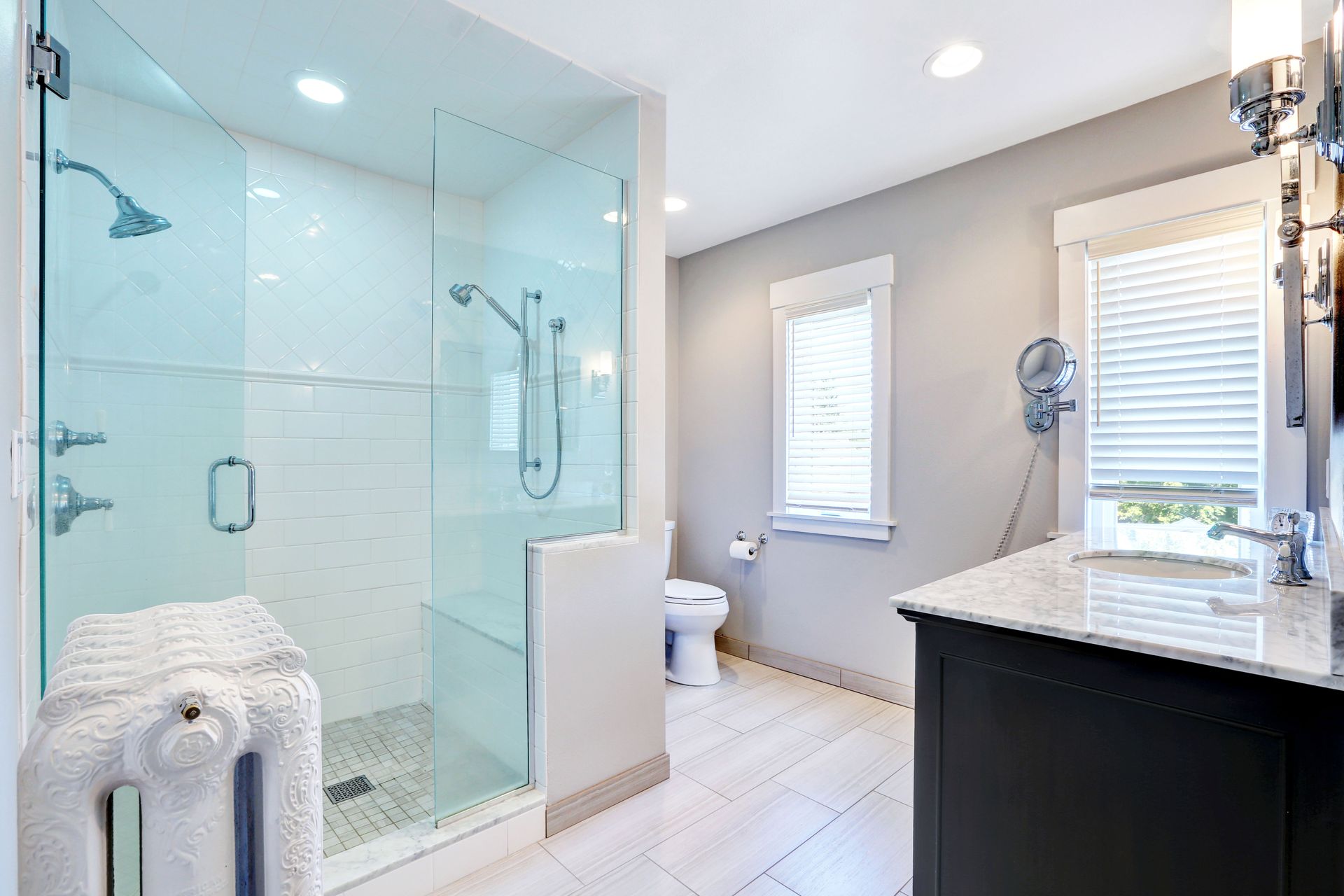
Glass finishes also influence both aesthetics and function. Frosted glass improves privacy, tinted glass reduces glare, and patterned designs add visual interest. According to Houzz, 38% of renovation projects used hinged glass shower doors, while 20% used sliding doors, highlighting how design preferences play a major role in modern upgrades. Thoughtful design choices ensure your glass door replacement enhances the overall character of the property.
7. Strengthen Security and Safety Features
Security is a major consideration in any glass door replacement, particularly for entry doors and commercial spaces. Modern locking systems, such as multi-point locks, secure the door at several locations along the frame, significantly improving resistance to forced entry.
Impact-resistant glass adds another layer of protection. Laminated or reinforced glass resists breakage and remains intact even when damaged, deterring intruders and increasing safety during storms. Reinforced frames and security films can further enhance protection without sacrificing aesthetics.
Smart security integration is increasingly popular, allowing doors to connect with cameras, alarms, and mobile monitoring systems. These features not only improve safety but also add convenience and value to your glass door replacement.
8. Plan the Installation Process Thoroughly
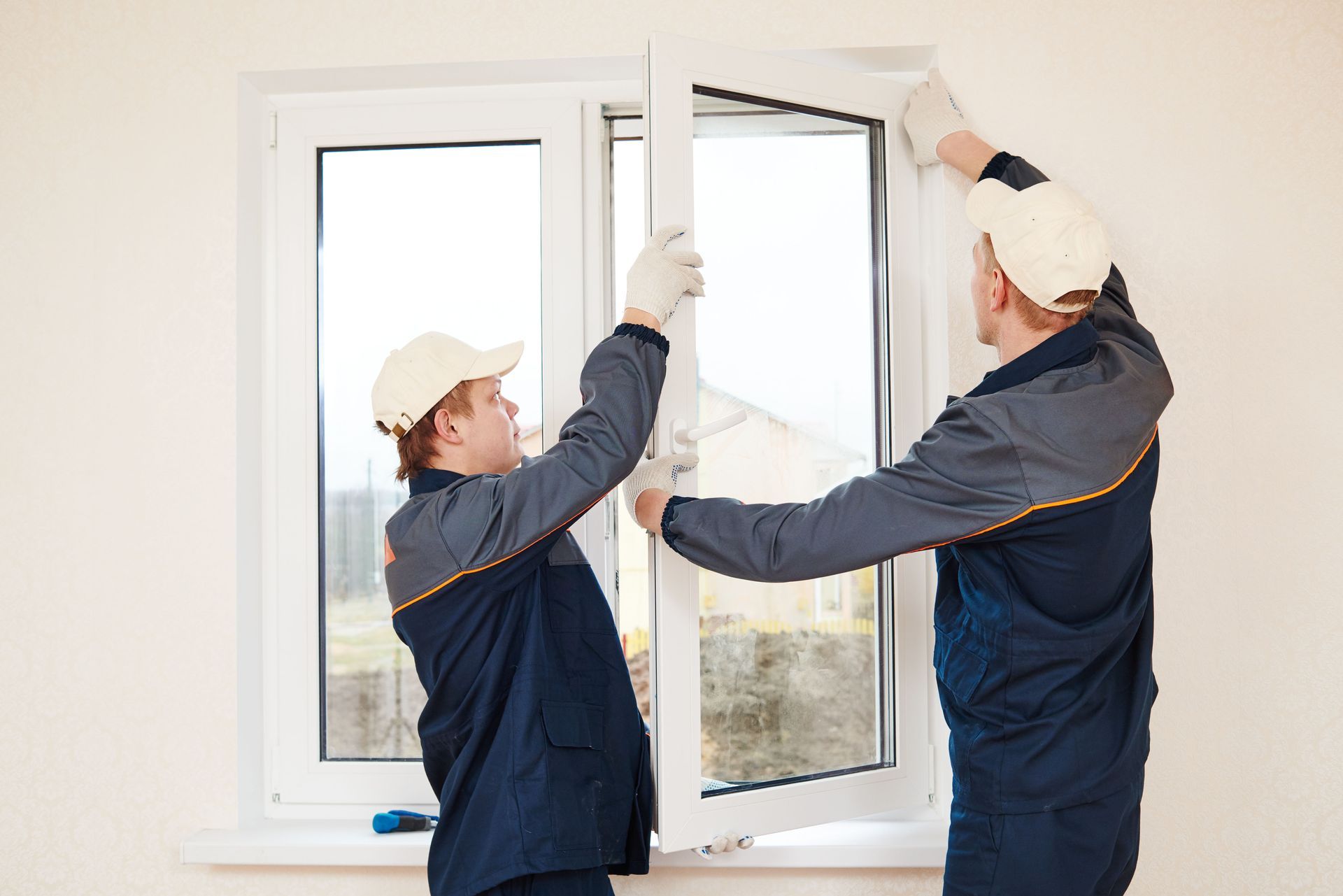
The installation phase can determine the success or failure of a glass door replacement. Professional installation ensures proper alignment, sealing, and compliance with manufacturer specifications, often preserving warranties and reducing the risk of future issues.
While some homeowners consider DIY installation, glass doors require precise measurements, specialized tools, and careful handling. Errors during installation can lead to drafts, leaks, or compromised security. Professionals typically complete installations efficiently, minimizing disruption to daily routines.
Preparation is also key. Clearing the installation area, confirming measurements, and understanding permit requirements helps streamline the process. Post-installation inspections ensure locks, seals, and glass panels function correctly, confirming the success of your glass door replacement.
A successful glass door replacement requires thoughtful planning, informed decision-making, and attention to detail. From selecting the right glass and frame materials to prioritizing energy efficiency, security, and design compatibility, each consideration plays a vital role in the final outcome. When approached strategically, a glass door upgrade can enhance comfort, functionality, and visual appeal for years to come.
Rather than viewing replacement as a simple swap, it should be seen as an opportunity to improve performance, safety, and long-term value. Professional guidance ensures that every element—from materials to installation—is handled with precision and care.
If you are considering a glass door replacement and want expert craftsmanship you can trust, contact A & G Glass & Mirror Inc today. Our experienced team can help you select the ideal solution and deliver a seamless installation that elevates your space.